
Customer Loyalty Begins With Human Connection

By Peter Last | Common Sense Factor®
You walk into a store for milk, bread and a few things for dinner. At the checkout comes another question.
“Do you have our rewards card?”
You search your wallet. Maybe it is on your phone. Maybe you need an app. You came in for groceries, and now you are trying to remember a password.
For some people, collecting points is worth it. They enjoy watching the balance grow and using their rewards. That is their choice, and there is nothing wrong with it.
For others, it is one more thing to manage in a day that already feels full.
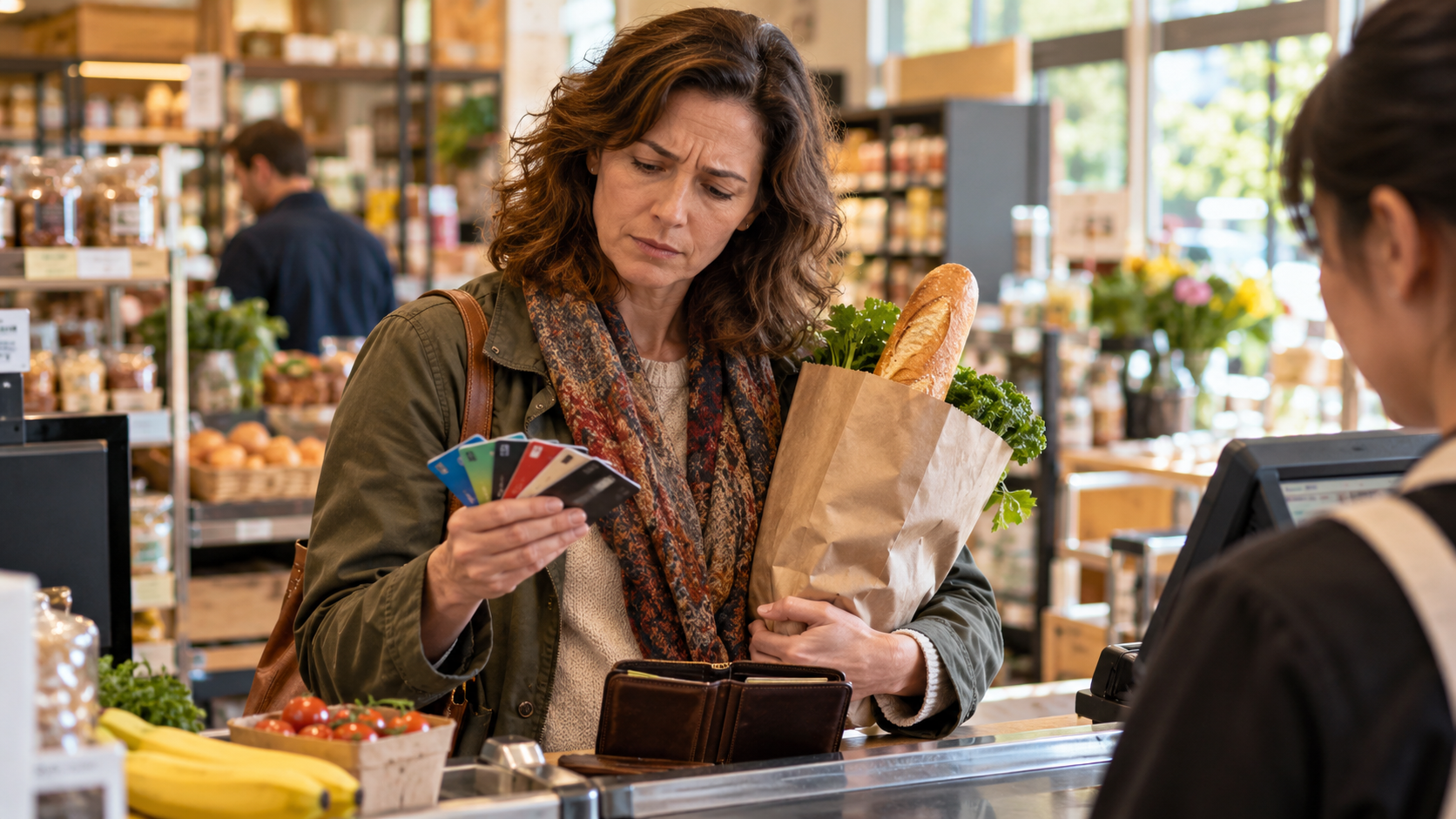
What if the thing they would appreciate most is someone looking up, smiling and saying, “Good to see you”?
The person behind the purchase
A recent LinkedIn post by Chris Parsons, author of Retail Rewired, got me thinking about what customers receive in return for the work they do at self checkout. His post considers recognition, useful rewards and the freedom to decline.
It raised another question for me: how much attention are we giving to the human exchange?
A customer may have spent the morning caring for a parent. They may be worried about a bill. They may live alone, and a conversation at the checkout could be one of the few they have that day.
We cannot know everyone's story. We can make room for the person standing in front of us.
A friendly greeting. A little patience. Help finding something. A familiar face remembering your name.
Those moments can bring a little light into an ordinary day. They can give someone a reason to feel comfortable coming back.
A simple way to say thank you

Here is an idea worth considering.
Where a store's margins allow it, what if the owner or clerk could offer a customer a straightforward 2% discount on their purchase as a thank you?
“Thanks for shopping with us today. We've taken 2% off your bill.”
On a $100 purchase, that is $2 saved immediately. The customer understands the value and receives it right there.
A store would need to work out whether this fits its costs and pricing. An immediate discount and a points programme are different commitments. Two per cent is an example, not a number that will work for every business.
The principle is simple: make appreciation easy to receive.
When that saving comes with a warm, personal exchange, the customer can leave feeling that their business mattered.
Our attention has value too
Points can help people save money. They can also ask for attention: checking balances, reading offers, remembering redemption rules and deciding when to use them.
Some customers enjoy that. Others would happily take a smaller, clear saving today and move on with their lives.
There is value in having one less thing to think about. That space might go towards making something, enjoying a conversation or spending time with family.
Shopping should leave room for the rest of the day.
And human connection should respect that time too. Someone in a hurry may appreciate a quick, friendly checkout. Someone else may welcome a few words. Good service pays attention to both.
Give people a reason to return
I believe loyalty grows through repeated experiences of fair treatment.
Was the price clear? Did someone help when I needed it? Was I comfortable saying no? Did I feel welcome?
A rewards card can be part of that experience. The owner and staff give it its human meaning.
For me, common sense means asking whether a system makes everyday life easier for the people using it. If customers are frustrated, that is a reason to listen and consider a simpler approach.
Sometimes appreciation looks like an immediate saving. Sometimes it is a clerk taking a moment to help. Sometimes it is a store owner saying, “Thank you for coming back,” and meaning it.

What makes you return to a store?
For me, it starts with the relationship. Being welcomed, listened to and appreciated gives me a reason to come back.
If you serve customers, consider this: your pay cheque may come from the company, but the purchases made by the person standing in front of you make that pay cheque possible.
That person deserves your attention. A smile. A little patience. A sincere thank you.
Can a plastic card replace that human connection? No. Points can reward a purchase.
People build relationships.
This is your Common Sense Factor Minute.


